A whole-home renovation is not simply several remodeling projects running simultaneously. It is a coordinated renovation of a home, one that requires a fundamentally different level of planning, sequencing, and design thinking than updating a single room. When a homeowner decides to renovate their kitchen, two bathrooms, all flooring, the staircase, and the exterior trim at the same time, the logistics of managing those scopes in the right order, with consistent material choices and a single aesthetic direction, is the kind of challenge that requires a contractor with the experience to do it correctly. Ash Construction has been executing whole-home renovations across Central Arkansas for nearly two decades, and it is one of the project types we are most proud of.
The argument for doing a renovation all at once rather than room by room over years is more compelling than most homeowners initially appreciate. When you renovate incrementally, you make decisions in isolation: you choose a kitchen floor, then choose a living room floor a year later, and then realize the two do not work together. You hire one contractor for the kitchen, another for the bathrooms, and spend years managing schedules, warranties, and quality inconsistencies. The disruption is spread over an extended period that never quite ends. A coordinated whole-home renovation concentrates the disruption into a defined window, produces a coherent result that a piecemeal approach cannot replicate, and typically costs less per room than the same work done separately, because mobilization, supervision, and overhead are absorbed across a larger combined project rather than duplicated on each individual scope.
What a Whole-Home Renovation Includes
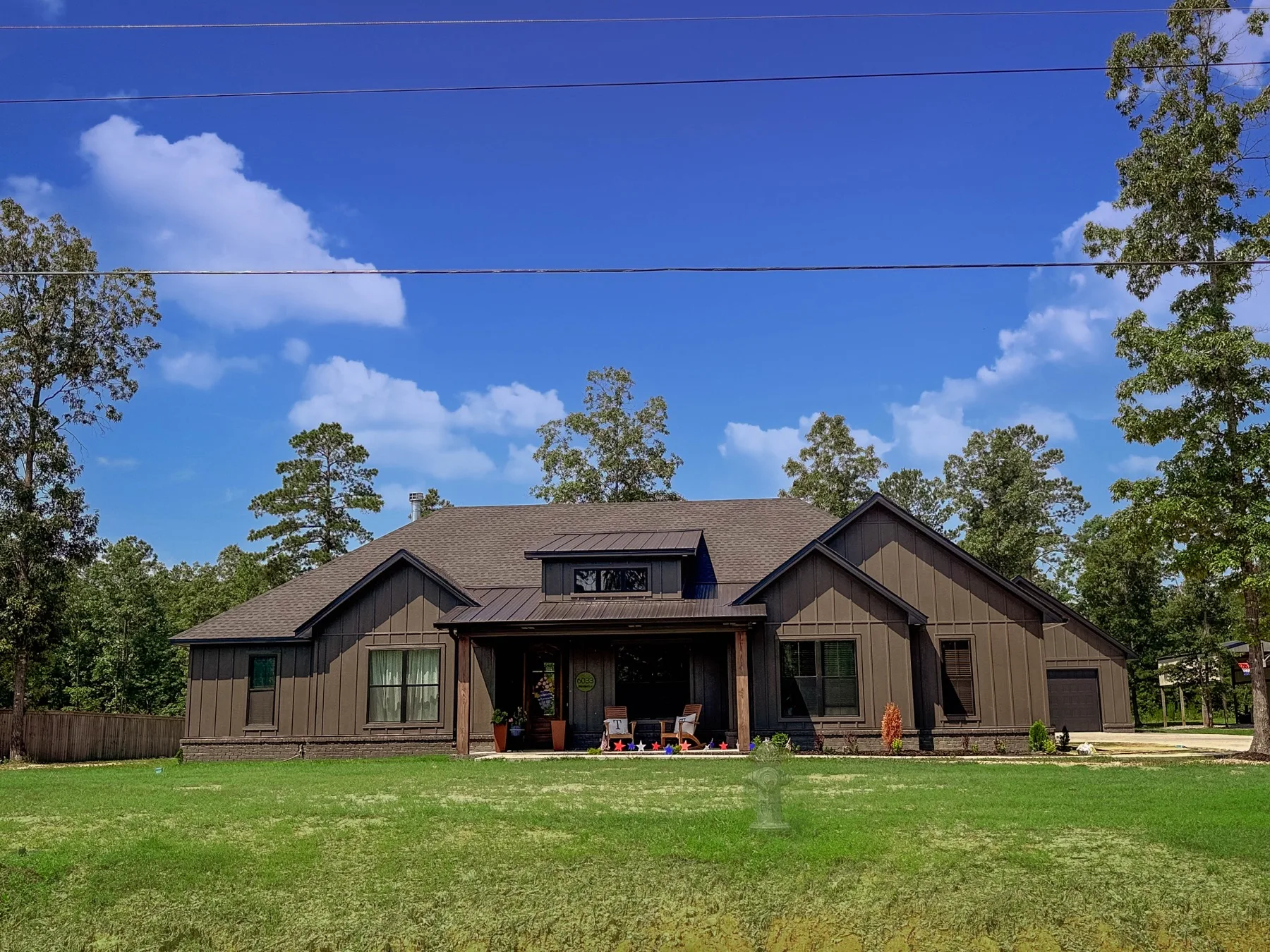
Every whole-home renovation project we undertake is scoped specifically to the home and the homeowner's goals. The work can range from a full interior overhaul that leaves the exterior structure intact to a near-complete rebuild of everything except the foundation and framing. Below are the major categories of work we typically address.
Full Interior Demo & Rebuild
In some cases, particularly in homes from the 1960s through 1980s with significant deferred maintenance, outdated floor plans, or compromised materials (asbestos tile, knob-and-tube wiring, galvanized plumbing), the most effective approach is a full gut of the interior. Removing everything back to the studs gives us a clean canvas to address all infrastructure issues before any finish work begins, and results in a home that will perform at the level of new construction rather than a renovated version of a problematic original.
Kitchen, Bath & Flooring Coordination
The most common whole-home renovation scope involves complete kitchen and bath remodels coordinated with new flooring throughout. This is where design coherence matters most: the flooring that flows from the entry through the living areas and into the kitchen must work with the cabinet finish, the tile selected in the bathrooms, and the overall palette. We manage the design coordination and material selection process as a unified exercise rather than room-by-room, which is how renovated homes achieve a custom-built quality rather than a renovated-at-different-times feel.
Structural Changes
Many homes built before 1990 in Central Arkansas have floor plans that feel compartmentalized by current standards: separate formal living and dining rooms, isolated kitchens, narrow hallways. Opening these spaces often requires removing load-bearing walls and installing structural beams to carry the transferred load. We engineer and execute these structural modifications properly, with appropriate permits and inspections, transforming closed, divided floor plans into the open, connected living spaces that Central Arkansas buyers expect in the current market.
Mechanical System Upgrades
A whole-home renovation is the ideal time to address aging mechanical systems, HVAC, electrical, and plumbing, because walls are open during other work, making the upgrade far less invasive and costly than if done independently later. We upgrade electrical panels and wiring to current code, replace galvanized or polybutylene plumbing with copper or PEX, and address HVAC capacity and efficiency in coordination with the overall renovation scope. Homes with updated mechanicals command higher prices and carry lower insurance risks.
Exterior & Curb Appeal
A whole-home renovation often includes exterior improvements that bring the outside of the home in line with the renovated interior. New exterior doors, window replacements, updated siding or painting, improved entry landscaping and hardscaping, and exterior lighting upgrades finish the project. There is little value in a beautifully renovated interior behind an exterior that still reads as the same dated house it always was, and we encourage our whole-home renovation clients to include at least a targeted exterior improvement scope in their project.
Timeline & Project Scope
A typical whole-home renovation in Central Arkansas runs 4 to 8 months depending on scope, home size, and material lead times. Smaller homes (under 2,000 square feet) with focused scopes can complete faster. Larger homes with structural modifications, full kitchen and bath remodels, and complete flooring replacement across multiple levels run toward the longer end. We develop a detailed project schedule before construction begins and maintain it throughout the project with weekly progress reports.
How Much Does a Whole-Home Renovation Cost?
Whole-home renovation costs in Central Arkansas range from approximately $80,000 for a modest-sized home with mid-grade finishes and no structural work to $300,000 or more for larger homes with high-end finishes, significant structural modifications, and complete mechanical system upgrades. The most reliable way to understand what your specific project will cost is an in-person assessment; budget ranges without a site visit are inherently imprecise.
The primary cost drivers in a whole-home renovation are: the square footage of the home (more space means more flooring, more painting, more trim, more everything); the extent of structural modifications (removing load-bearing walls and installing beams adds cost predictably, but unforeseen structural issues discovered during demolition add cost unpredictably); the finish level selected for kitchen and bathrooms (which can vary by a factor of 3 or more between builder-grade and luxury); and the condition of the existing mechanical systems (a home with functional updated electrical, plumbing, and HVAC costs significantly less to renovate than one requiring complete mechanical overhaul).
We address cost uncertainty through thorough pre-construction assessment. Before we write a contract, we conduct a detailed walk-through that identifies known unknowns: the areas of the home where we anticipate but cannot confirm conditions until demolition. We build appropriate contingencies into the project budget for those areas and communicate them transparently. There are no surprises on an Ash Construction project that we could have reasonably anticipated in advance.
Should You Renovate or Build New?
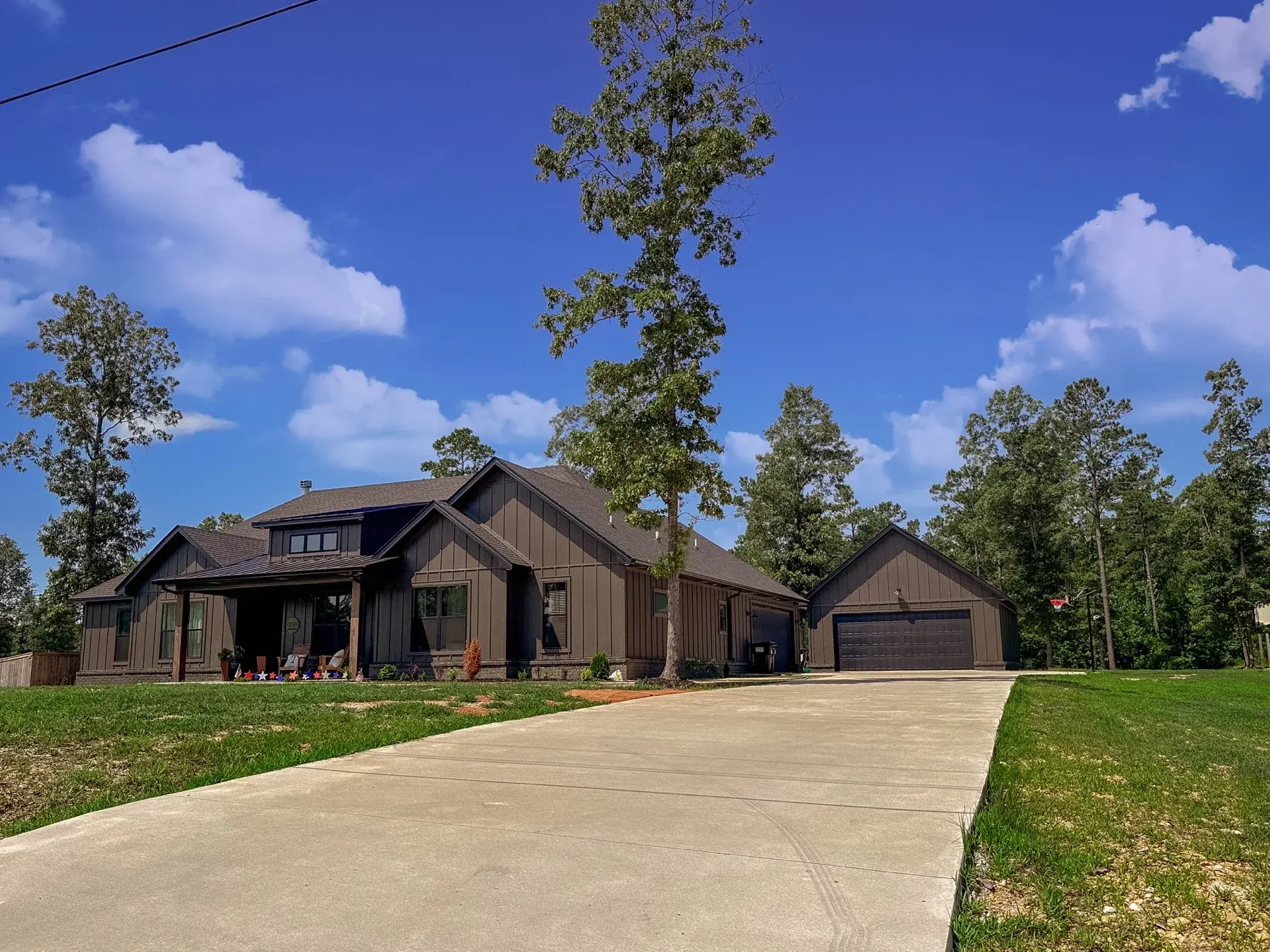
This is the most important strategic question many homeowners face, and it deserves an honest answer rather than the direction that most benefits the contractor. The decision comes down to several factors, and there is no universal right answer.
Arguments for renovating: You are in a neighborhood or on a lot you love and cannot replicate in new construction. The home's bones, framing, foundation, site work, are sound and represent genuine value. Your renovation scope does not require changes to the fundamental structure or footprint. You have a realistic renovation budget and timeline and can absorb the disruption of construction while living nearby or temporarily elsewhere. You want to preserve architectural character or historic details that new construction cannot provide.
Arguments for building new: The existing home requires more investment to make functional than its post-renovation value warrants. The floor plan problems are fundamental, room sizes, ceiling heights, orientation, and cannot be cost-effectively corrected through renovation. The home has persistent structural, moisture, or mechanical issues that a renovation will not fully resolve. Land in the location is available, and a new home at your preferred finish level costs approximately the same as a full renovation of the existing structure.
Ash Construction builds both new and renovates extensively, and we will give you our honest assessment of which makes more sense for your specific situation. We are not interested in selling you a renovation project that would be better served by new construction, or vice versa. Our business is built on referrals, and that only works if we give clients the right advice.
Planning a Whole-Home Renovation: What to Expect
Living through a whole-home renovation requires planning and realistic expectations about what the process involves. Here is what we tell our clients before construction begins.
Living arrangements. For full renovations involving kitchen demolition, most clients make arrangements to live elsewhere for the majority of the project: with family, in a short-term rental, or in a portion of the home that is sequenced last. Some clients remain in the home throughout, moving room by room as work progresses. We sequence projects to give homeowners maximum livability during construction, but this must be planned deliberately at the outset.
Dust and noise. Construction generates dust even with careful containment measures. We use temporary plastic barriers, negative air pressure containment where practical, and daily cleanup protocols, but expect construction dust to migrate through a home during active renovation. Similarly, construction hours, typically 7 am to 5 pm on weekdays with occasional Saturday work when the schedule requires, involve noise. Neighbors should be informed, and if you are working from home, plan for a noise environment during construction hours.
Timeline buffers. We build schedule contingencies into our project timelines, but whole-home renovations can be affected by material delivery delays, weather impacts on exterior work, and unforeseen conditions discovered during demolition. The general rule is to add 10 to 15 percent buffer time to any construction schedule estimate for planning purposes. We communicate schedule impacts immediately when they occur and update you on the adjusted completion projection.
Decision fatigue. A whole-home renovation involves an enormous number of material and finish selections. We structure the selection process with a detailed schedule that identifies what needs to be decided when, provides curated options rather than overwhelming open-ended choices, and keeps the decision pipeline moving so that no delay in selection becomes a delay in construction. Our clients consistently tell us that having a structured selection process made a potentially overwhelming exercise manageable.
Our Whole-Home Renovation Process
Assessment & Design
We conduct a thorough walk-through of the home documenting existing conditions, identifying structural implications of planned changes, and assessing the mechanical systems. Design development begins in parallel with the structural assessment, producing a coordinated set of plans that addresses every scope in the project. Material selections are scheduled and completed during this phase so that all orders can be placed before demolition begins.
Structural Work
With permits in hand, demolition begins and structural modifications are executed first: wall removal, beam installation, floor joist sistering or reinforcement where needed, and any foundation work required. All structural work is inspected before proceeding to mechanical rough-in. This phase reveals any conditions that could not be confirmed before opening walls, and we address them immediately with transparent communication about scope and cost impact.
Mechanical Systems
Electrical, plumbing, and HVAC rough-in work proceeds with walls open. This is the optimal time to upgrade any mechanical systems: the cost of doing so with walls open is a fraction of what the same work would cost in a finished home. New electrical panel if required, all circuit rough-in, plumbing supply and drain lines to new locations, and HVAC duct modifications are completed and inspected before any wall or ceiling closure.
Drywall & Insulation
Insulation installation (wall, ceiling, and any exterior wall upgrades) is followed by drywall hanging, taping, and finishing. This phase transforms the space from a construction site back into recognizable rooms and is a major psychological milestone for homeowners. Paint primer and initial coats are typically applied after drywall finishing is complete and before any trim or cabinetry installation.
Flooring & Painting
Hard flooring (hardwood, tile, or LVP) is installed before cabinetry and trim to avoid the need for later fill strips. Hardwood flooring is sanded and finished after installation but before final paint. Final paint colors are applied after flooring is protected. The sequencing of flooring and paint is deliberate and ensures clean transitions and professional-quality finished surfaces.
Kitchen, Baths & Final Punch List
Cabinet installation, countertop templating and installation, tile work, fixture installation, and appliance commissioning complete the high-visibility rooms. Trim carpentry (base molding, door casings, window trim, and any custom millwork) finishes the remaining spaces. We conduct a full internal punch list review followed by a homeowner walkthrough and sign-off process before considering the project complete.
"We purchased a 1978 ranch house in the Heights specifically to renovate it. Ash Construction transformed it completely: opened the floor plan, new kitchen, two new bathrooms, hardwood throughout, and new exterior doors and windows. The project ran on budget and finished within two weeks of the projected date. More importantly, the design coordination they provided kept every room feeling like it belongs to the same house. We have had neighbors stop to ask who did the work."
David & Sarah M., The Heights, Little Rock, Whole-Home Renovation 2023
Frequently Asked Questions
How long does a whole-home renovation take?
Plan on 4 to 8 months for a full whole-home renovation in Central Arkansas, depending on home size, scope, and the extent of structural and mechanical work involved. Smaller homes (under 1,800 square feet) with focused scopes can complete in 3 to 4 months. Larger homes with full structural modifications, complete kitchen and bath remodels, and mechanical upgrades run 6 to 8 months or longer. We develop a detailed schedule before construction begins and communicate updates throughout the project.
Can we stay in the house during a whole-home renovation?
In most cases, living in the home during a whole-home renovation is possible but requires planning and flexibility. We sequence work to preserve a functioning bathroom and a livable bedroom or living area at all times when possible. Kitchen demolition is the most disruptive phase; most clients set up a temporary kitchen in another room or make arrangements to be elsewhere during that period. We discuss living arrangement strategies during the pre-construction planning meeting and sequence the project to minimize disruption given your specific situation.
What permits are required for a whole-home renovation?
A whole-home renovation typically requires building permits for structural modifications, electrical permits for any new or modified circuits, plumbing permits for any supply or drain line work, and mechanical permits for HVAC modifications. We manage all permit applications and maintain inspection schedules throughout the project. We do not perform work that requires a permit without obtaining it; unpermitted work creates problems at resale and can void homeowner's insurance claims related to that work.
Will renovating my home increase its value enough to justify the cost?
This depends significantly on the home's current value, the neighborhood's price ceiling, and the scope of the renovation. A whole-home renovation can add substantially more value than its cost when it brings a significantly underperforming home up to the standard of its neighborhood, as is common in established Little Rock neighborhoods where the land value is high but many homes are dated. In neighborhoods where prices are already at or near the market ceiling, the renovation may recover less than full cost in appraised value while still being worthwhile for quality-of-life reasons. We encourage clients to discuss this with a local real estate agent before committing to a renovation scope that exceeds the neighborhood ceiling.
If your whole-home renovation analysis leads you to conclude that building new makes more sense than renovating, our Custom Home Building team is ready to guide that process from lot evaluation through occupancy. For homeowners who want to focus renovation investment in the kitchen specifically, our dedicated Kitchen Remodeling page provides detailed information on scope, cost, and process for that project type.
Ready to Renovate Your Home?
A whole-home renovation is one of the most significant investments a homeowner can make, and selecting the right contractor to manage it makes all the difference. Ash Construction brings the project management discipline, design coordination capability, and trade partner relationships necessary to execute a complex whole-home renovation in Central Arkansas correctly, on time, and on budget. Call us at 501-430-4410 or click below to schedule your free in-home assessment.